
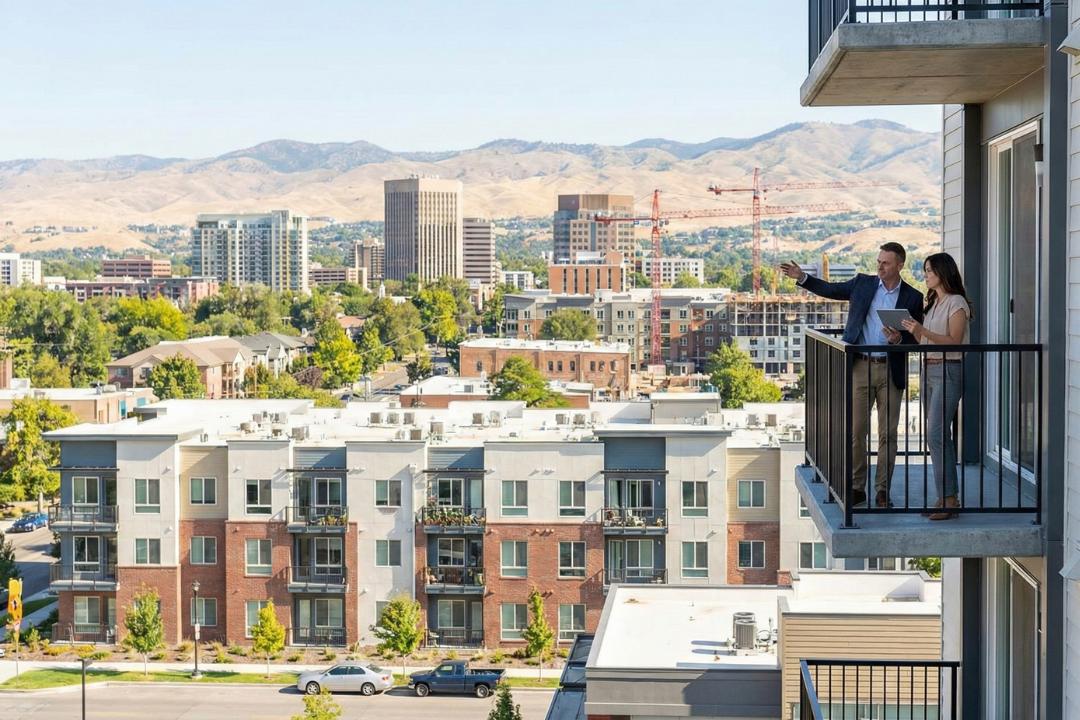
Boise has emerged as a market that continues to draw attention from both individual and institutional investors. Population growth, employment expansion, and lifestyle appeal have supported steady housing demand in Idaho’s capital city. As migration from higher cost states reshapes regional markets, many investors are evaluating how boise real estate investment aligns with their long term portfolio goals. A clear understanding of pricing trends, rental dynamics, and economic drivers is essential before entering the market.
Market movement in Boise reflects more than short term momentum. Demographic shifts, infrastructure expansion, and business development have influenced both home values and rental demand. These broader trends create opportunity, but they also require disciplined analysis.
At HomeRiver Group, we manage over 20,000 homes across more than 60 markets nationwide. Our approach combines local market knowledge with centralized systems and asset management oversight, helping investors evaluate opportunities with structure and clarity.
In this piece, we will be discussing boise real estate investment, including market trends, pricing considerations, neighborhood dynamics, and strategic approaches for long term positioning.

Why Boise Has Attracted Real Estate Investors
Boise has drawn sustained investor interest due to population growth, economic expansion, and relative affordability compared to larger Western markets. As migration from higher cost states continues, housing demand has remained steady, supporting both home values and rental activity.
The region benefits from a diversified employment base that includes technology, healthcare, education, manufacturing, and government sectors. A broader economic foundation can help moderate risk and support consistent demand across ownership and rental segments.
Lifestyle appeal has also played a role. Access to outdoor recreation, a growing downtown core, and ongoing infrastructure development have increased the city’s visibility. As new residents relocate for both employment and quality of life, housing demand has followed.
For investors evaluating boise real estate investment opportunities, these economic and demographic drivers provide important context for understanding the market’s continued attention.
Current Boise Housing Market Trends
Boise’s housing market has experienced several phases over the past decade, including rapid appreciation, inventory constraints, and more recent normalization. For investors considering boise real estate investment, understanding these cycles provides valuable context for evaluating entry timing and long term positioning.
Home Price Movement
Home prices in Boise saw significant increases during periods of strong migration and limited housing supply. As demand accelerated, price growth outpaced historical averages. In more recent periods, appreciation rates have moderated, reflecting adjustments in interest rates and broader economic conditions. While short term fluctuations occur, long term pricing trends continue to reflect sustained population growth and limited land availability in certain areas.
Inventory And Supply Levels
Inventory constraints have been a recurring feature of the Boise market. During high demand cycles, available listings declined, creating competitive conditions for buyers. As supply has gradually adjusted, the market has moved toward more balanced conditions in some segments. However, new construction timelines, land availability, and development costs still influence overall housing supply.
Limited inventory can impact investor acquisition strategy, particularly for those seeking below market opportunities or properties requiring renovation.
Rental Market Conditions
Rental demand in Boise has remained relatively stable, supported by job growth and continued in migration. As home prices increased, some households opted to rent longer, contributing to occupancy stability in well located properties. Rental rate growth has followed broader housing trends, though it can vary by neighborhood and property type.
Monitoring rental performance alongside sales trends is essential when evaluating boise real estate investment potential. A balanced view of both owner occupied and rental market dynamics provides a clearer perspective on risk and opportunity.
Property Prices And Rental Rate Overview
Evaluating purchase prices alongside rental income potential is central to any boise real estate investment strategy. While appreciation trends often draw headlines, long term performance is shaped by the relationship between acquisition cost, operating expenses, and rental revenue.
Purchase Price Ranges
Boise’s median home prices have risen compared to historical averages, reflecting sustained demand and population growth. Entry level properties, particularly in established residential neighborhoods, may command higher price points than they did several years ago. New construction and suburban developments can vary widely depending on location, lot size, and builder specifications.
Investors should analyze price trends within specific submarkets rather than relying solely on citywide averages. Variations between neighborhoods can significantly affect both acquisition cost and resale potential.
Rental Rate Performance
Rental rates in Boise have generally tracked with housing demand. Single family homes often command higher monthly rents compared to smaller multifamily units, though both segments can experience stable occupancy when priced appropriately. Proximity to employment centers, schools, and amenities tends to influence rental demand.
While rent growth has moderated in some periods, overall demand remains tied to ongoing population increases and employment stability. Investors evaluating Boise real estate investment opportunities should compare projected rental income against mortgage costs, property taxes, insurance, and maintenance expenses to assess overall feasibility.
Yield And Cash Flow Considerations
Cash flow expectations vary depending on financing structure and purchase price. Investors acquiring properties at higher price points may experience tighter margins in the short term, particularly during periods of elevated interest rates. Others may focus on long term appreciation potential combined with steady rental income.
A comprehensive analysis should include vacancy assumptions, capital expenditure planning, and management costs. Looking beyond headline pricing allows investors to better evaluate risk exposure and long term return potential.

Neighborhoods Offering Investment Potential
Boise’s growth has not been uniform across all areas. Neighborhood level trends can significantly influence pricing, rental demand, and long term appreciation. For investors considering boise real estate investment opportunities, understanding how different parts of the city perform can help refine acquisition strategy.
Established Central Neighborhoods
Areas closer to downtown Boise and long standing residential districts often attract strong buyer and renter interest. These neighborhoods typically offer proximity to employment centers, restaurants, parks, and cultural amenities. Limited land availability can support long term value stability, though purchase prices may be higher compared to outer areas.
Investors in established neighborhoods often prioritize appreciation potential and consistent tenant demand over immediate high yield.
Growth Corridors And Expanding Submarkets
Outer neighborhoods and growth corridors have experienced development activity as population increases push outward. New construction communities, mixed use developments, and infrastructure improvements can create opportunities for investors seeking newer housing stock.
These areas may offer slightly lower entry price points relative to central neighborhoods, though performance can depend on continued development and local employment growth.
Suburban And Surrounding Communities
Communities surrounding Boise, including parts of the broader Treasure Valley, have also drawn investor interest. Suburban areas can appeal to families seeking more space while remaining within commuting distance of the city. Rental demand in these markets is often tied to affordability and school district preferences.
Each neighborhood category presents different risk and return characteristics. Evaluating local vacancy rates, historical appreciation trends, and rental pricing by submarket allows investors to approach boise real estate investment decisions with greater precision.
Risks And Considerations For Boise Investors
While boise real estate investment has attracted sustained interest, every market carries risk factors that should be evaluated carefully. Rapid growth periods can create pricing pressure, competitive acquisition conditions, and sensitivity to broader economic shifts. Investors entering at elevated price points may experience narrower short term margins, particularly if interest rates remain higher than historical averages.
Market normalization is another consideration. After periods of accelerated appreciation, housing markets often transition into slower growth phases. This does not necessarily indicate decline, but it can affect resale timelines and appreciation expectations. Investors relying heavily on short term value increases should assess how long they plan to hold the property.
Rental market shifts can also influence performance. Changes in migration patterns, local employment growth, or new housing development may affect vacancy rates or rental pricing. Monitoring supply additions and economic indicators provides useful context when projecting income stability.
Operational expenses should not be overlooked. Property taxes, insurance premiums, maintenance costs, and capital improvements all contribute to long term returns. As home values rise, some expense categories may increase accordingly. Factoring in these variables helps create more realistic projections.
Finally, liquidity considerations matter. Real estate is not a highly liquid asset, and market conditions at the time of sale may differ from those at purchase. Investors should align their financing structure and holding strategy with their broader financial goals.
Approaching Boise real estate investment with a balanced understanding of both opportunity and risk supports more disciplined decision making.
Strategies For Long Term Boise Real Estate Investment
A long term approach often provides greater stability in markets that have experienced rapid growth. For investors evaluating boise real estate investment opportunities, disciplined acquisition, conservative projections, and professional oversight can help position assets for sustained performance rather than short term speculation.
Focus On Sustainable Cash Flow
While appreciation can contribute to overall return, consistent rental income remains a central component of long term performance. Investors may benefit from underwriting properties with realistic rent projections, vacancy assumptions, and maintenance reserves. Stress testing cash flow under different interest rate or expense scenarios can help reduce exposure to unexpected shifts.
Prioritizing stable occupancy over aggressive rent increases can also support tenant retention and minimize turnover costs.
Target Growth Supported By Infrastructure
Infrastructure expansion, employment centers, and transportation improvements often influence neighborhood level growth. Monitoring development plans, school district expansion, and commercial investment can provide insight into areas that may experience sustained demand over time.
Investors who align acquisitions with long term development patterns may position themselves for steadier appreciation rather than relying solely on cyclical price surges.
Maintain Capital Reserves And Asset Condition
Property condition plays a direct role in tenant retention and long term value. Budgeting for routine maintenance, capital improvements, and unexpected repairs helps protect the asset. Well maintained properties are more likely to remain competitive in evolving rental markets.
Maintaining adequate reserves also provides flexibility during periods of slower rent growth or higher operating expenses.
Leverage Professional Oversight
Operational consistency is critical in rental property ownership. Structured systems for tenant screening, rent collection, maintenance coordination, and financial reporting contribute to more organized asset management. Investors who prioritize operational discipline often position their properties for steadier long term performance.

Final Thoughts On Boise Real Estate Investment
Boise has evolved into a market that attracts both regional and out of state investors seeking long term growth potential. Population trends, economic diversity, and quality of life factors continue to influence housing demand. At the same time, pricing shifts, inventory changes, and broader economic conditions require disciplined analysis. Boise real estate investment decisions are best approached with balanced expectations, realistic financial projections, and a clear understanding of local market dynamics.
Successful investing in Boise is not driven by short term momentum alone. It requires evaluating neighborhood trends, rental performance, operating expenses, and long term development patterns. Investors who prioritize structured underwriting, adequate reserves, and consistent oversight are often better positioned to navigate market fluctuations.
At HomeRiver Group, we combine local Boise expertise with the resources of a national platform managing over 20,000 homes across more than 60 markets. Our approach emphasizes operational consistency, detailed reporting, and long term asset management. For investors seeking professional support in the area, our Boise property management services provide comprehensive solutions for leasing, management, maintenance coordination, and financial oversight. You can learn more here:
https://www.homeriver.com/idaho/boise-property-management
Boise real estate investment can offer opportunity when approached with preparation and disciplined strategy. Careful evaluation of market conditions, risk factors, and operational structure allows investors to align property decisions with broader financial goals.
Frequently Asked Questions About Boise Real Estate Investment
Is Boise Still A Strong Market For Real Estate Investment?
Boise continues to attract investor interest due to population growth, economic diversity, and steady housing demand. However, market strength depends on purchase price, financing structure, and neighborhood selection. Investors should evaluate current pricing trends and rental performance before making decisions.
What Property Types Perform Best In Boise?
Single family homes are commonly favored due to broad tenant demand and long term resale flexibility. Small multifamily properties can also provide stable rental income. Performance varies by neighborhood, condition, and acquisition cost.
How Competitive Is The Boise Housing Market?
Market competitiveness has fluctuated over time. During periods of limited inventory, buyers may face multiple offer situations. In more balanced conditions, negotiation opportunities may improve. Monitoring inventory levels and days on market can provide insight into current competition.
What Rental Yields Can Investors Expect In Boise?
Rental yields vary depending on purchase price, financing terms, and operating expenses. Higher acquisition costs may compress short term cash flow, while long term appreciation potential can contribute to overall return. A detailed financial analysis is recommended before purchase.
Are There Seasonal Trends In Boise’s Rental Market?
Like many markets, leasing activity may increase during spring and summer months. However, demand is generally supported year round by employment stability and ongoing population growth.
How Do Property Taxes Impact Boise Real Estate Investment?
Property taxes should be factored into cash flow projections. As assessed values change, tax obligations may adjust accordingly. Reviewing historical tax trends and local assessment practices can help refine projections.
Is New Construction A Good Investment Option In Boise?
New construction properties may offer lower immediate maintenance needs and modern amenities attractive to tenants. However, pricing premiums and development timelines should be evaluated carefully when assessing overall return.
How Important Is Professional Property Management In Boise?
Professional management can assist with tenant screening, rent collection, maintenance coordination, and compliance oversight. Structured management processes may help reduce operational inefficiencies and support long term asset performance.
What Financing Strategies Work Best For Boise Investors?
Financing strategies depend on risk tolerance and long term goals. Some investors prioritize fixed rate stability, while others explore portfolio lending or leverage adjustments. Aligning financing with projected holding period is an important consideration.
How Long Should Investors Plan To Hold Property In Boise?
Holding periods vary based on strategy, but real estate often performs best when viewed as a long term investment. Extended holding periods may allow appreciation trends and rental income growth to compound over time.
Author
Andrew L. Propst
MPM® CPM® CCIM®